11 August 2026 · Updated 18 September 20269 min read
Which Material Should Line Your Insulated Truck Container? GRP, Steel, Aluminium or Plastic, 2026
Choosing an insulated truck container in Kerala? Compare GRP, stainless steel, aluminium and food-grade plastic by cargo, hygiene, route, temperature and service needs.
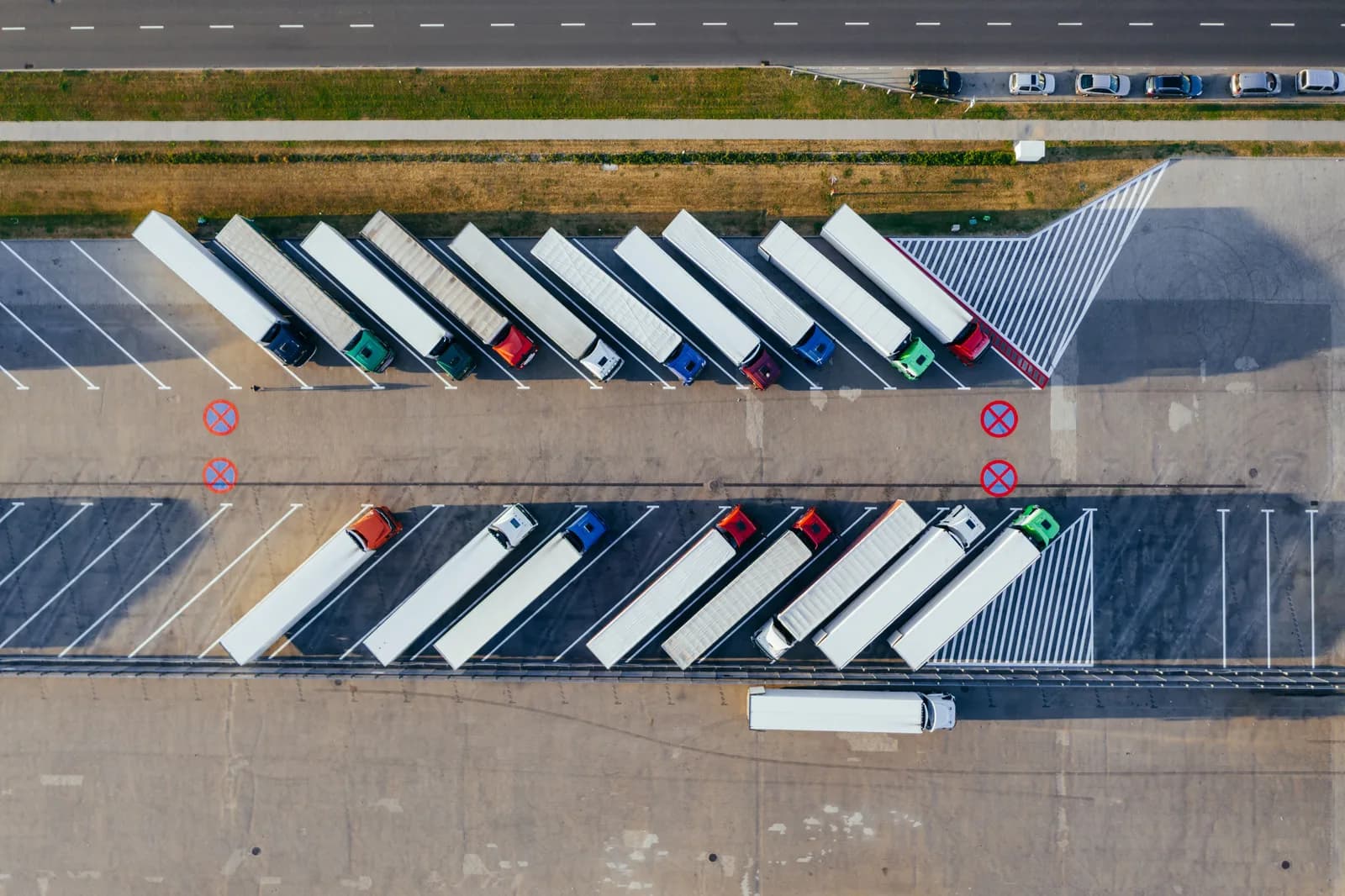
An insulated truck container is not one product category. A frozen-food reefer body, a fish transport box, a dry delivery container, an office container and a marine shipping container may all be called a "container", but they solve very different problems.
For an operator in Kerala, choosing the wrong one usually shows up later as high refrigeration run time, difficult cleaning, corrosion, cargo damage, excess payload loss or a vehicle that does not suit the actual route. The better approach is to start with the work the container must do, then choose the structure, insulation, internal finish and refrigeration package around it.
This guide explains the common container types and where GRP, stainless steel, aluminium and food-grade plastic genuinely fit.
Start with the container job, not the outer skin
Before comparing materials, write down these operating facts:
- cargo type and required holding temperature;
- whether the load is chilled, frozen, ambient, wet-fish, dry goods or people/workspace use;
- vehicle chassis, legal payload and desired body length;
- daily distance, traffic, hill routes and number of door openings;
- wash-down frequency, cleaning chemicals and hygiene requirements;
- whether the body needs a refrigeration unit, drain arrangement, partitions, shelving or power points.
That brief prevents a common procurement mistake: buying a strong-looking box before deciding whether it can hold the cargo temperature, survive the cleaning routine and stay within the truck's payload margin.
If the truck has not yet been selected, use the reefer truck chassis guide first. Body length, insulation thickness and refrigeration equipment all add weight, so the chassis decision and the container decision belong in one conversation.
The main types of truck containers
Refrigerated and insulated truck containers
An insulated truck container is a thermal enclosure. It may be used with a transport refrigeration unit (TRU), direct-drive system or another active cooling method, but insulation alone does not make a vehicle refrigerated.
Typical uses include dairy, ice cream, frozen foods, fresh produce, poultry, meat, seafood, medicines and temperature-sensitive industrial products. The design must control heat ingress through the wall panels, floor, roof, door seals and joints. For frozen work, the body and refrigeration unit must be engineered together; a cold unit cannot compensate indefinitely for a weak or leaking body.
For the operating disciplines behind it, see our cold-chain reefer transport guide. Ice-cream distribution is especially demanding because frequent partial warming damages texture even when the product later refreezes; our ice-cream truck guide covers that duty in detail.
Dry truck containers
Dry truck bodies protect ambient cargo from weather, road dust and handling damage. They are useful for packaged goods, appliances, cartons, equipment, e-commerce distribution and service parts. They are not a substitute for an insulated reefer body when the cargo has a temperature requirement.
The priority here is often payload, door configuration, tie rails, shelving, access and corrosion resistance rather than heat transfer. An aluminium or GRP outer finish can be appropriate, but the final choice still depends on the frame, floor and route conditions.
Fish and wet-load containers
Fish transport needs a different wash-down and drainage standard from ordinary chilled food distribution. The internal finish has to tolerate moisture, salt, regular cleaning and odour control. A sound floor, sealed joints, drainage planning and a cleanable interior matter as much as the refrigeration temperature.
A stainless steel interior can be valuable in high-abuse or wet zones, but it is not automatically the best material for the entire body. It adds weight and cost; a good insulated panel system with the correct internal liner and detailing may be the better vehicle-level solution.
Work, office and site containers
Site offices, security cabins, mobile workspaces, tool rooms and temporary welfare units are people spaces, not cargo bodies. Their priority is ventilation, thermal comfort, electrical safety, windows, doors, finishes and possibly air-conditioning. "Insulated" can still matter in Kerala heat, but the design target is comfort and safe occupation, not a chilled cargo temperature.
For work containers, discuss structural certification, anchoring, electrical load, fire safety and local site approvals separately. A refrigerated truck body should not be repurposed as an office without addressing those requirements.
Marine shipping containers
Marine containers are built for intermodal stacking, port handling and ocean freight. A refrigerated marine container ("reefer container") is a specialised ISO unit with its own system and operating rules. It is not the same product as a custom insulated truck body.
Marine containers can be useful for stationary storage, modular projects or intermodal logistics where their dimensions and handling system fit the operation. For city distribution in a light or medium truck, however, a purpose-built vehicle body is usually more practical for payload, door usage, refrigeration integration and chassis mounting.
Comparing common body materials
The material name alone does not determine food safety or thermal performance. Insulation quality, joints, floor construction, drainage, seals, fabrication quality and the maintenance programme are equally important.
| Material | Where it works well | Main strengths | Watch-outs |
|---|---|---|---|
| GRP / FRP | Insulated reefer panels, hygienic outer or inner skins | Corrosion resistant, smooth, light relative to steel, easy to clean | Needs good panel construction and repair quality; impact damage must be sealed promptly |
| Stainless steel | Wet, high-abuse, wash-down and hygienic interior areas | Durable, corrosion resistant, hard-wearing, cleanable | Heavy and costly; thermally conductive if used without proper insulation detailing |
| Aluminium | Dry bodies, floors, trims, structural details where weight matters | Low weight, corrosion resistance, good payload efficiency | Dents more easily than steel; needs compatible fixings and careful floor/design specification |
| Food-grade plastic | Liners, crates, partitions, bins and selected interior fittings | Non-corroding, washable, often easy to replace | Usually not the structural shell for a commercial truck body; performance depends on grade and support |
GRP / FRP: often the practical insulated-body skin
GRP (glass-reinforced plastic), also called FRP, is widely used in insulated transport panels because it can provide a smooth, corrosion-resistant surface without the weight penalty of a full steel skin. It works especially well with insulated cores when the panel joints, edge protection and repairs are correctly handled.
For food and reefer work, GRP is attractive because it supports a washable finish and is not vulnerable to ordinary rust. That does not make every GRP body equal. Ask about panel thickness, foam density, joint method, roof-to-wall detailing, door hardware, floor reinforcement and how accidental impact damage will be repaired and resealed.
Stainless steel: durable in the right places
Stainless steel is a strong choice where repeated wash-down, moisture, abrasion and hygiene are central, such as specific wet-load floors, drain zones, trims, work surfaces or high-abuse internal areas. It is easy to associate stainless steel with "food grade", but a full stainless exterior does not by itself create a food-safe or temperature-stable truck.
It also conducts heat readily. In an insulated body, thermal bridges through fasteners, frames and exposed metal details must be managed. Using stainless selectively can provide the durability an operation needs without making the body unnecessarily heavy.
Aluminium: protect payload on the right duty
Aluminium is useful when payload and corrosion resistance are high priorities. It is commonly considered for dry truck bodies, floors, trims, framing and selected body elements. It can reduce vehicle weight, which can be commercially meaningful on a route where every kilogram matters.
For wet and frozen cargo, though, aluminium must be specified alongside the insulation and floor system, not as a standalone answer. Its finish, thickness, reinforcement, contact with other metals and cleanability need to suit the duty.
Food-grade plastic: interior system, not a shortcut body shell
Food-grade plastic is valuable for removable crates, liners, partitions, bins, shelving elements and cargo-contact accessories. It is washable and resistant to many routine wet-use conditions. But it is generally not the answer to "what should the truck container be made of?"
A commercial vehicle body needs structural strength, controlled insulation, secure mounting and serviceable doors. Plastic components can improve the hygiene system inside the body, while GRP panels, metal reinforcement and engineered insulation do the structural and thermal work.
What "food grade" actually needs to mean
Food-grade transport is a system standard, not a material label. The interior should be smooth enough to clean, resistant to the intended wash routine, free of water traps, properly drained where needed and maintained without exposed or damaged insulation.
For seafood, poultry and other wet loads, the practical questions are:
- Can the interior be washed down without water entering panel joints?
- Does the floor drain and dry properly?
- Are corners, door frames and hardware easy to inspect and clean?
- Can damaged surfaces be repaired before they become a hygiene or moisture problem?
- Is the container used only for compatible cargo, with cleaning between loads?
The answer is rarely "choose stainless steel everywhere." It is usually "design the interior for the cargo, then maintain it."
Insulation and refrigeration: where performance is won or lost
The container has to hold the temperature; the refrigeration unit has to remove the heat that still enters. The unit should be sized for the actual operating profile, including peak ambient temperature, cargo loading temperature, body volume, insulation condition, stop count and door-open time.
For chilled cargo, a different panel thickness and refrigeration duty may be appropriate from frozen cargo. Frozen loads, long routes and multi-drop work demand more temperature margin. Loading warm product into a cold body and expecting the vehicle unit to pull it down during delivery is a common, and expensive, mistake.
The other version of that mistake happens at procurement: accepting a thinner or cheaper body and buying a larger refrigeration unit to make up the difference. It does not work. Extra capacity can absorb a fixed, predictable heat gain. It cannot absorb air leaking past a tired door seal, moisture that has entered a panel joint and wetted the foam core, or a thermal bridge running through a metal frame, because those faults worsen under precisely the conditions where the margin was supposed to help: peak ambient, a long stop, a wet monsoon route. The oversized unit then runs continuously, burns more fuel, ices its evaporator more often on the extra moisture it is drawing in, and still drifts off setpoint at the end of a hot multi-drop day, while condensation and frost patterns appear on the body it was meant to compensate for.
Panel thickness, foam density, joint method, seals and floor detailing are the cheapest temperature performance on the vehicle: bought once, consuming no fuel afterwards. Refrigeration capacity is the most expensive, because it is bought once and then paid for again every hour the vehicle operates.
An operator comparing quotes should insist on a complete scope: body material and panel construction, insulation specification, floor, doors and seals, refrigeration package, mounting, electrical/control arrangement, temperature monitoring options and maintenance support. The transport refrigeration service team can assess that as one vehicle system rather than as unrelated purchases.
A practical selection path
- Define the cargo temperature and hygiene requirement.
- Map the route, payload, drops and daily cleaning routine.
- Select the chassis and body size together.
- Choose the panel, liner, floor and door details for the actual abuse level.
- Size the refrigeration system for real duty, not only box volume.
- Plan inspections for seals, drainage, insulation damage and refrigeration performance before failure.
The strongest container is not simply the heaviest or the most expensive. It is the one that keeps the required condition on the real route, can be cleaned and repaired properly, and leaves enough payload and serviceability for the business to run profitably.
For a refrigerated truck body, fish container, dry container or insulated site-container requirement in Kerala or South India, contact HRS with your cargo, route, chassis and temperature brief. We can help define whether you need an insulated body, a matched reefer system, a dry delivery body or a different container solution altogether.
Why this matters to you
How HRS turns cold-chain theory into working vehicles
For transport bodies, HRS is not only discussing the refrigeration unit. The work usually includes choosing the right body class, getting the insulation and drainage details right, and matching the reefer package to the vehicle and route profile.
Related Service
Transport Refrigeration & Reefer Body SupportRelated Guides
Continue your research
These guides cover the next decisions commonly connected to this topic.
Keep Exploring
Continue from this guide into the matching HRS service page or a relevant Kerala service area.
Related Services
Need expert HVAC help?
Contact our team for professional installation, maintenance, or a custom consultation.